The internet's evolution from the read-only Web1 to the interactive Web2 has set the stage for Web3, a decentralized, blockchain-based iteration promising to transform digital interactions. Central to this shift is the metaverse, an immersive virtual environment blending physical and digital realms.
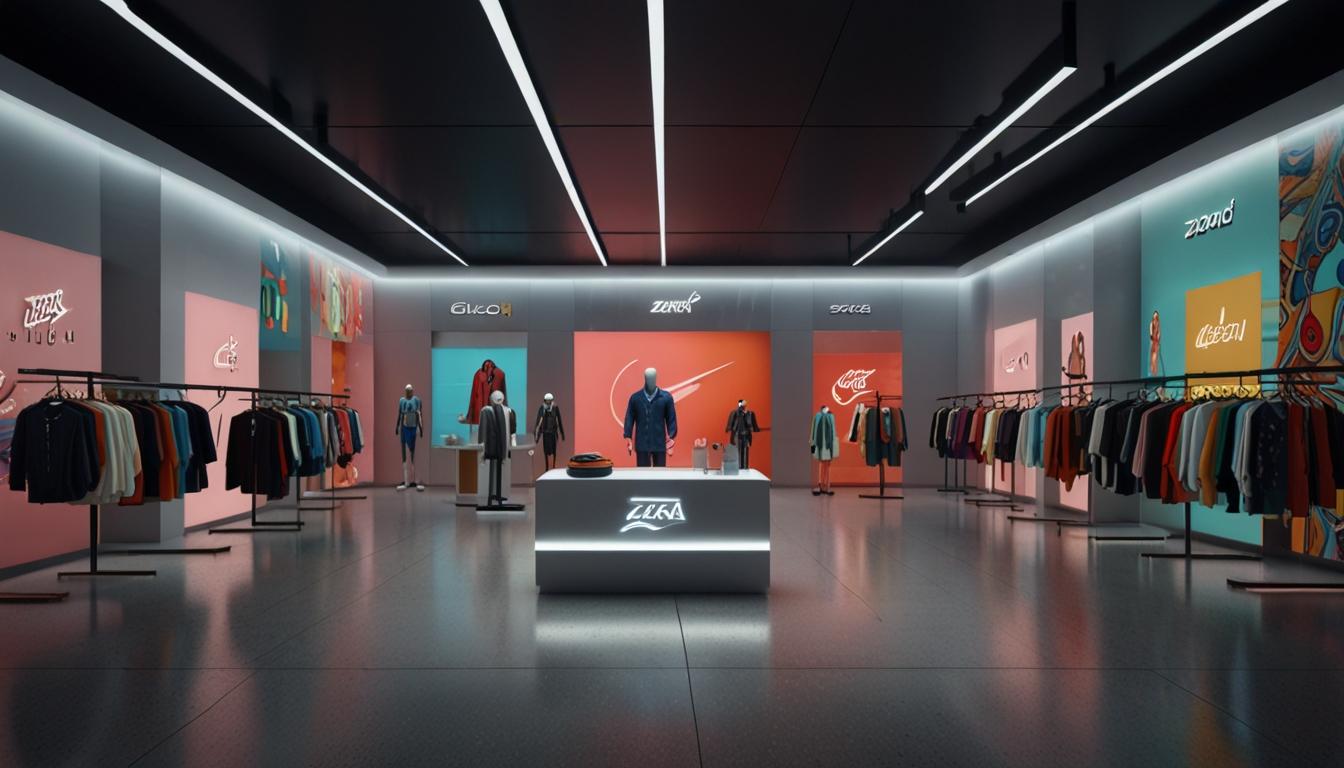
Retailers see the metaverse as a new frontier for reimagining shopping. Gartner predicts that by 2026, a quarter of the global population will spend about an hour daily in the metaverse, engaging in varied activities. Major brands like Zara, Nike, Gucci, and Balenciaga have already established their virtual presences, offering a peek into retail's future.
Brands like Burberry and Louis Vuitton are creating innovative virtual experiences. Burberry replicated its Tokyo flagship store virtually, while Louis Vuitton launched an NFT game and partnered with League of Legends. Data from Emperia shows that visitors spend an average of 14 minutes in virtual showrooms, highlighting their appeal.
For e-commerce, the metaverse offers significant potential. McKinsey estimates the metaverse could generate $5 trillion by 2030, with e-commerce capturing $2 to $2.6 trillion. Virtual showrooms allow consumers to explore products in 3D environments, fostering informed purchases and consistent global engagement.
Retailers can use virtual showrooms to complement physical stores, offering personalized, cohesive brand experiences. Integrating loyalty programs and subscriptions across both realms can further enhance customer retention.
The rise of the metaverse in retail mirrors the transformative impact of mobile shopping. Early adopters of this technology will position themselves as industry innovators, leveraging immersive technologies to redefine shopping experiences and strengthen customer connections in the digital age.