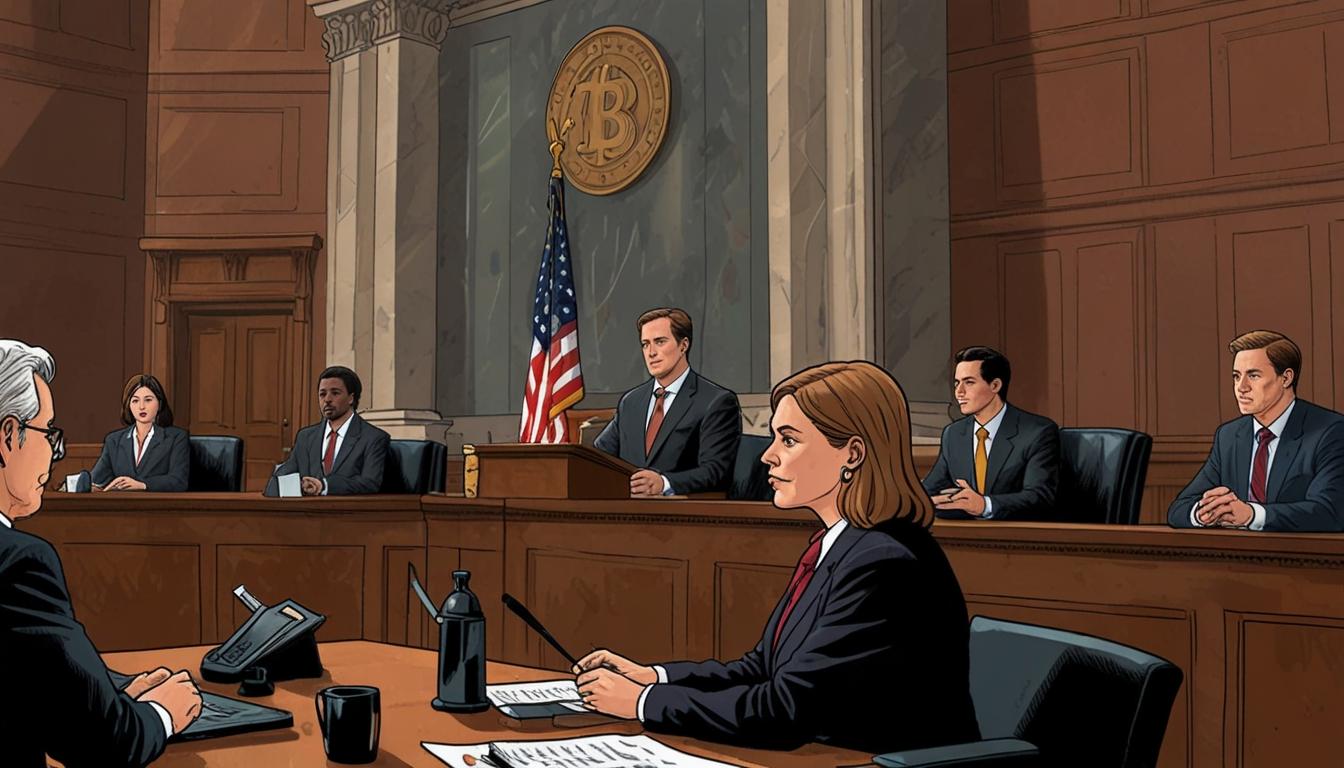
A federal judge in Washington, D.C., ruled on the U.S. Securities and Exchange Commission's (SEC) case against Binance, allowing most charges to proceed while dismissing others related to secondary sales of BNB and sales of the BUSD stablecoin. Judge Amy Berman Jackson stated the SEC had presented plausible allegations against Binance, Binance.US, and CEO Changpeng Zhao, but found the SEC’s claims insufficient against the secondary sales of BNB by non-Binance sellers and the Simple Earn product.
The case revolves around whether secondary sales of tokens constitute investment contracts under the Howey Test, a key standard for determining if an asset is a security. The judge's decision emphasized that while initial token sales might involve securities, this classification does not necessarily extend to secondary transactions without more substantial evidence.
Binance responded to the ruling by emphasizing the judge's recognition of limitations on the SEC’s regulatory authority over the crypto industry. The decision adds to ongoing legal debates and industry confusion about the application of securities laws to cryptocurrency transactions.
Additionally, attorneys for Coinbase referenced this ruling in their ongoing litigation with the SEC, arguing that inconsistencies in court decisions highlight the need for clearer regulations. The SEC, however, maintained that the judge’s decision was specific to the facts of the Binance case and does not impact its allegations against Coinbase.
The broader context includes recent U.S. Supreme Court decisions that could influence the regulatory environment, including rulings on administrative proceedings and the scope of federal regulatory power.